Completion Report of SATREPS International Collaborative Research
― Toward Establishing Livestock Disease Prevention and Food Safety Technologies in Thailand ―
Project Overview
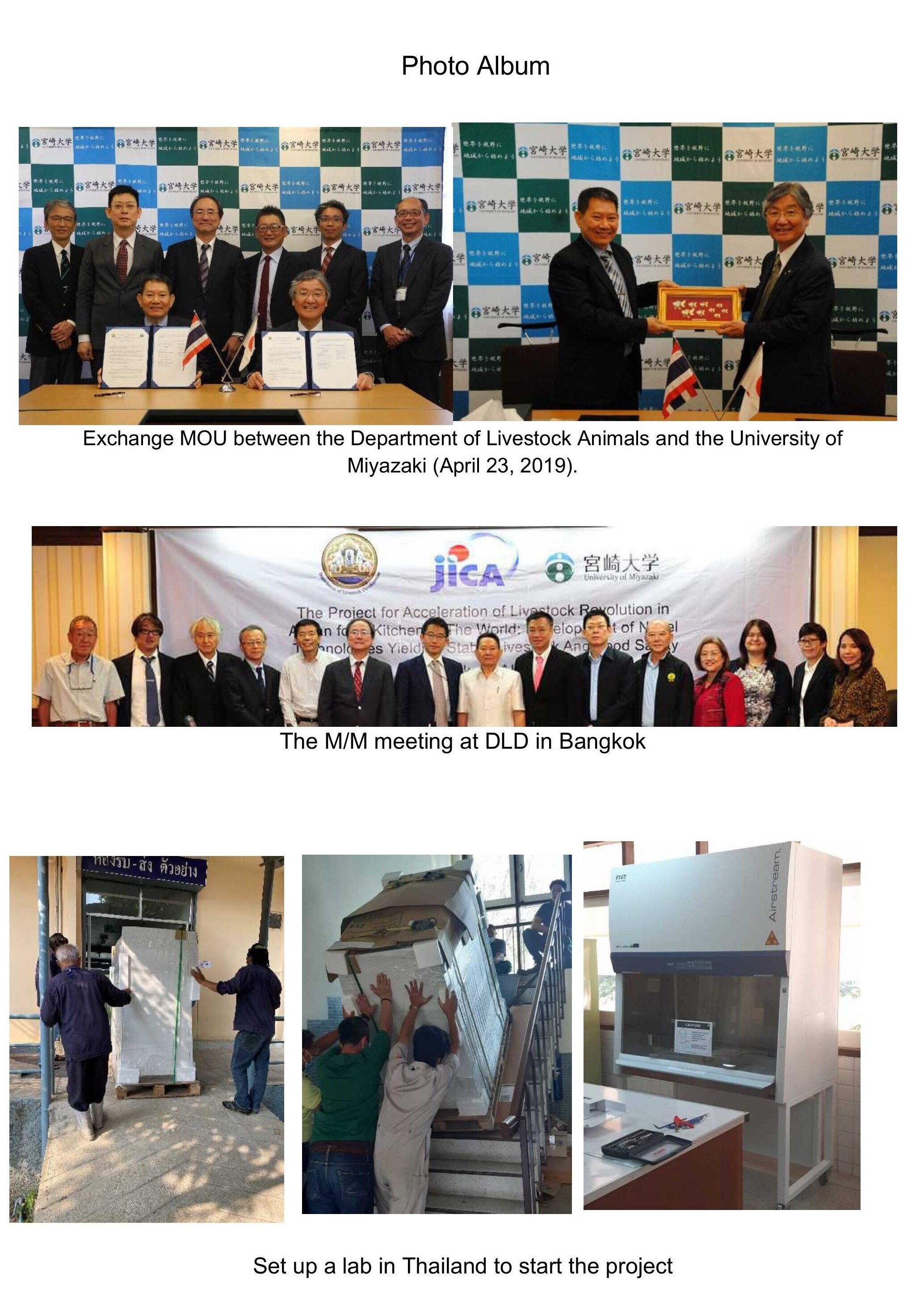
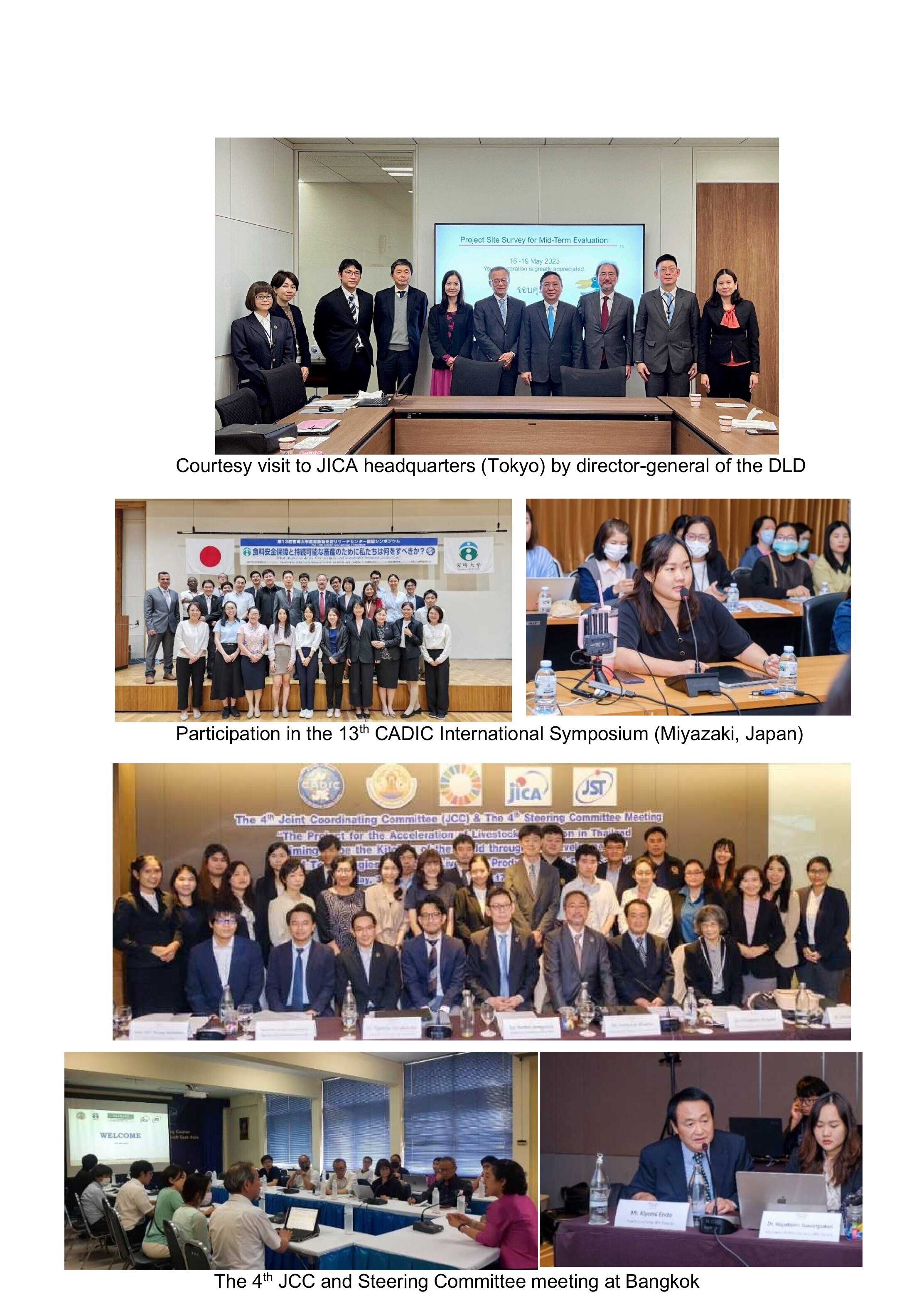
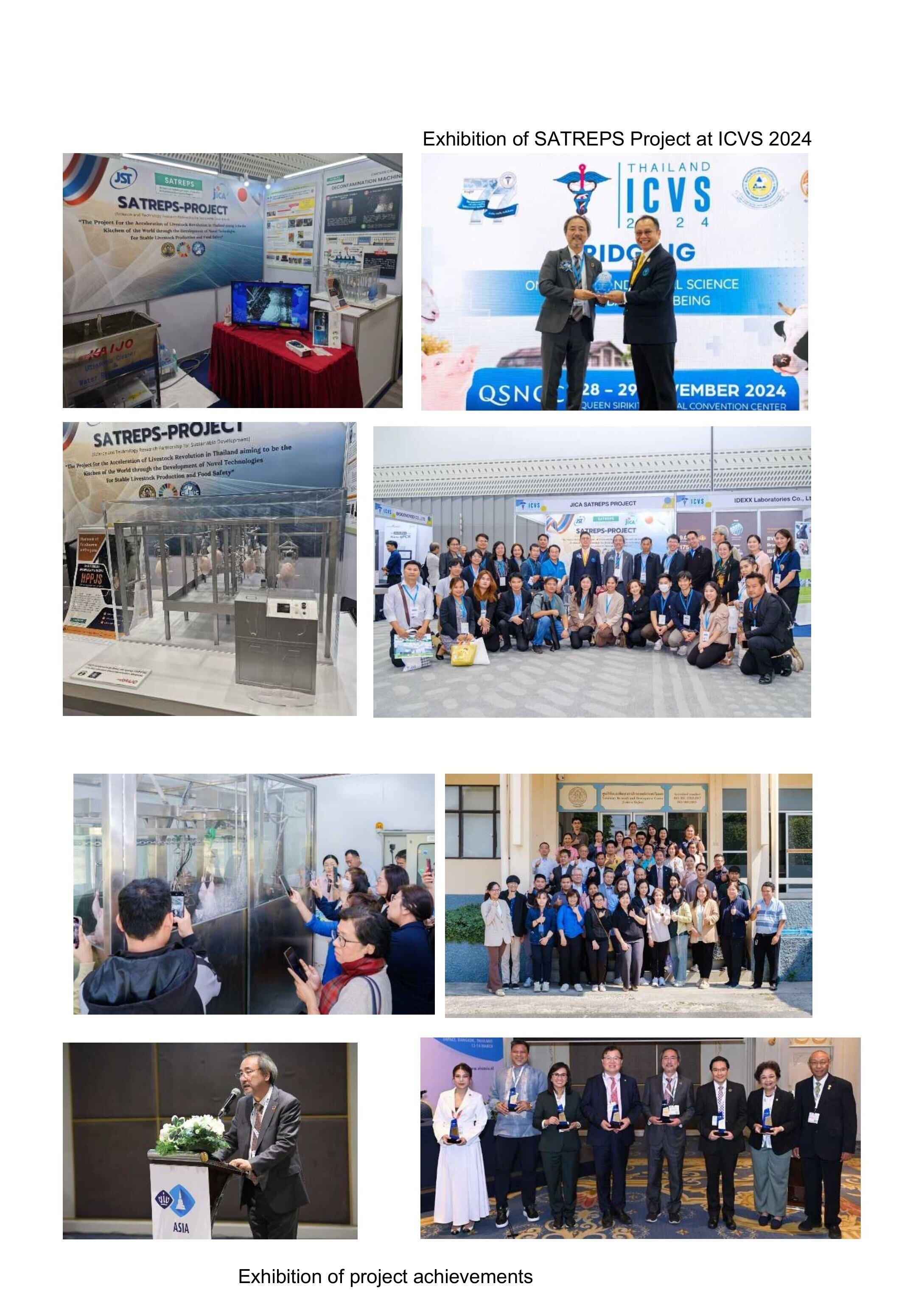
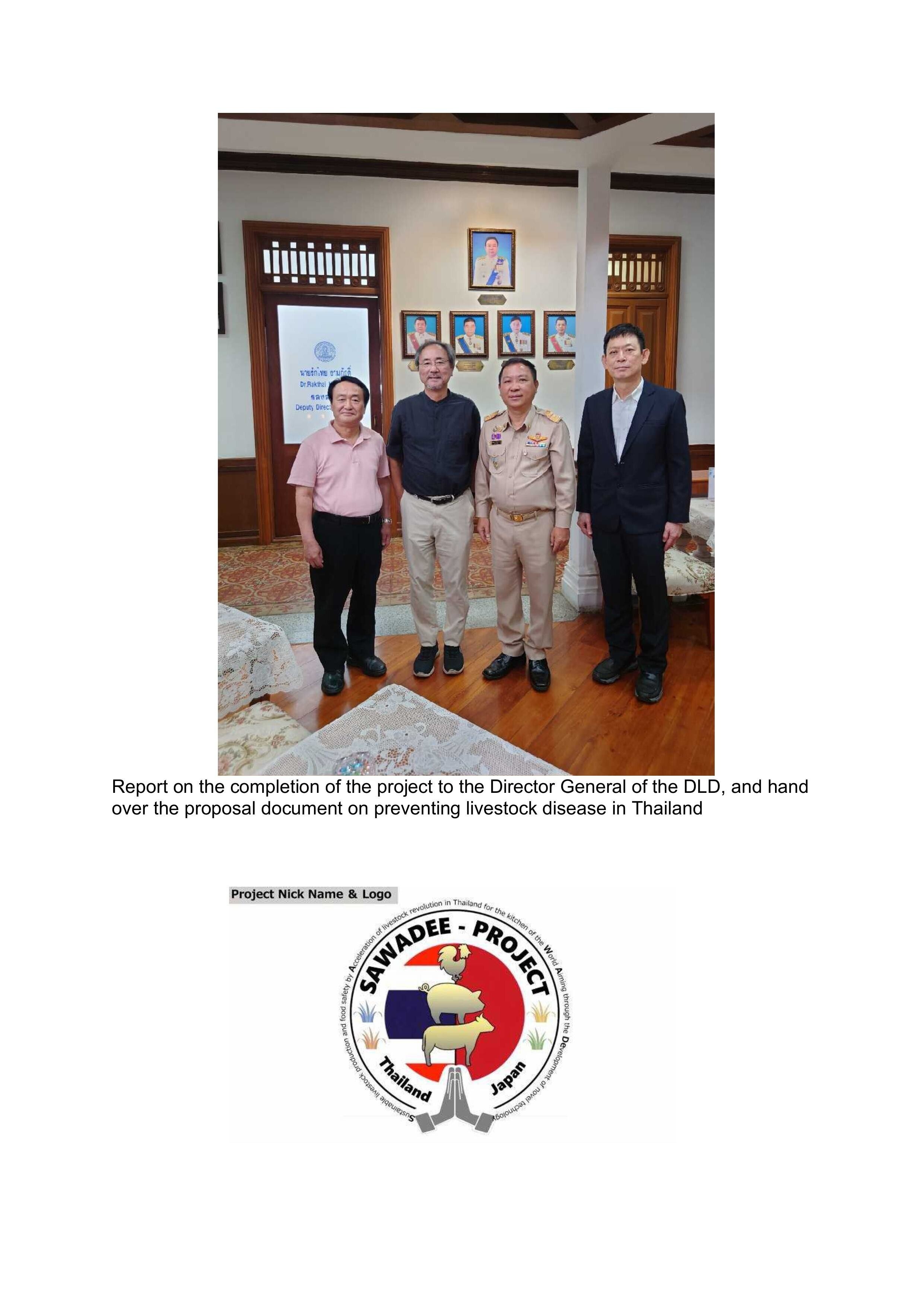
The SATREPS project entitled "The Project for the Acceleration of Livestock Revolution in Thailand aiming to be the Kitchen of the World through the Development of Novel Technologies for Stable Livestock Production and Food Safety" was successfully completed on 22 October 2025. The project was implemented through international collaboration between Miyazaki University, Japanese universities and companies, and Thai partner institutions, with the aim of strengthening animal disease control systems, improving food safety, and developing human resources to support sustainable livestock production.
Background
Globalization and climate change have increased the risk of transboundary animal diseases by accelerating cross-border movement and altering pathogen distribution. In Japan's neighboring countries, outbreaks of foot-and-mouth disease (FMD) and African swine fever (ASF) continue to occur, while classical swine fever (CSF) has re-emerged domestically.
At the same time, the livestock sector faces structural challenges such as farm consolidation, workforce aging, rising production costs, and intensified international competition. These factors highlight the urgent need for more effective and resilient animal disease control strategies.
CADIC and the SATREPS Framework
Miyazaki Prefecture, one of Japan's major livestock-producing regions, has experienced severe outbreaks of FMD and highly pathogenic avian influenza since 2000. In response, the University of Miyazaki established the Center for Animal Disease Control (CADIC) in 2011 to strengthen preparedness and response capacity for animal diseases.
Building on this foundation, the SATREPS project was launched in 2020 as a multidisciplinary international research initiative with Thailand, where FMD remains endemic. The project aimed to develop advanced diagnostic and preventive technologies, establish safe meat processing practices, and foster professionals capable of responding to transboundary animal diseases.
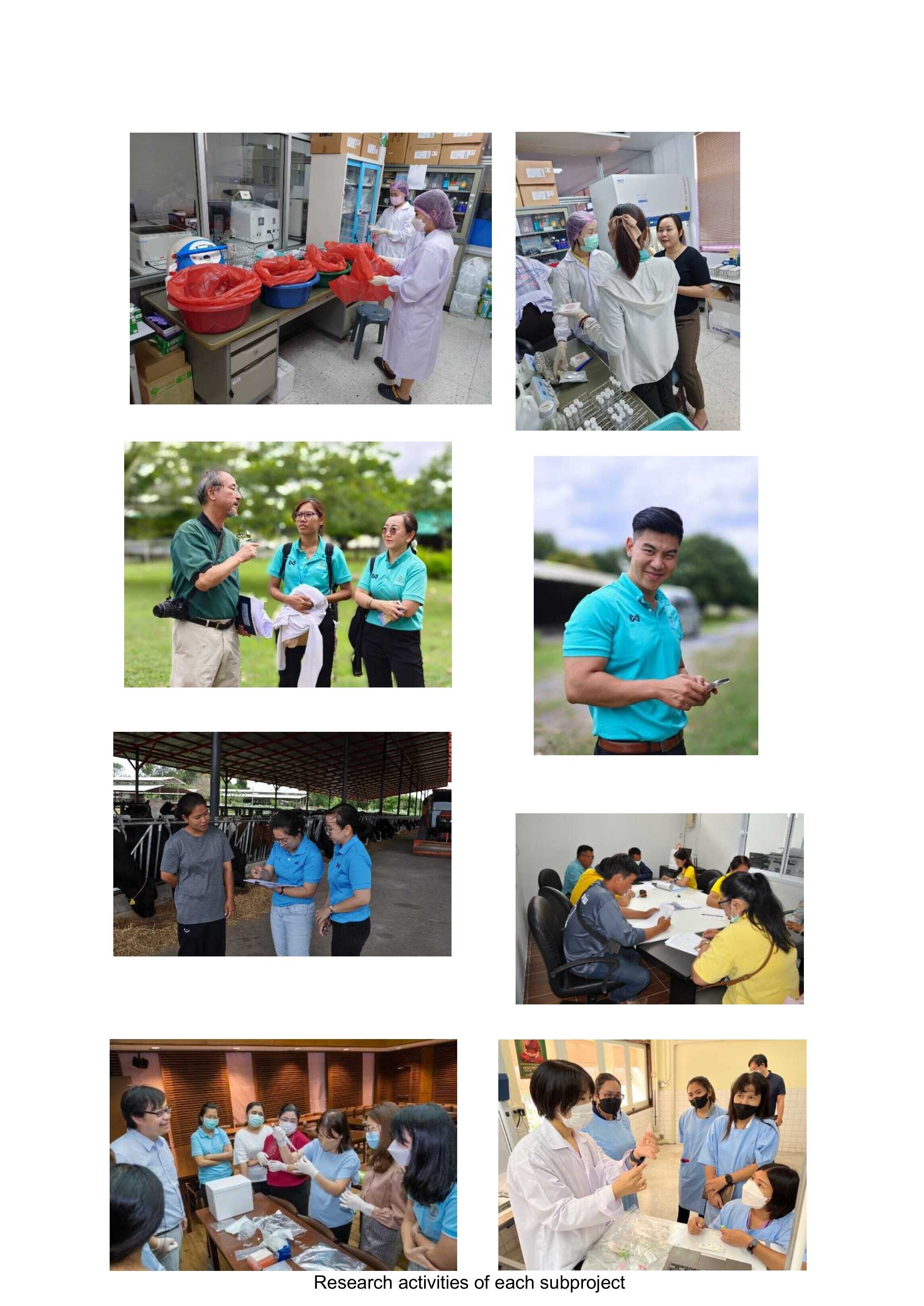
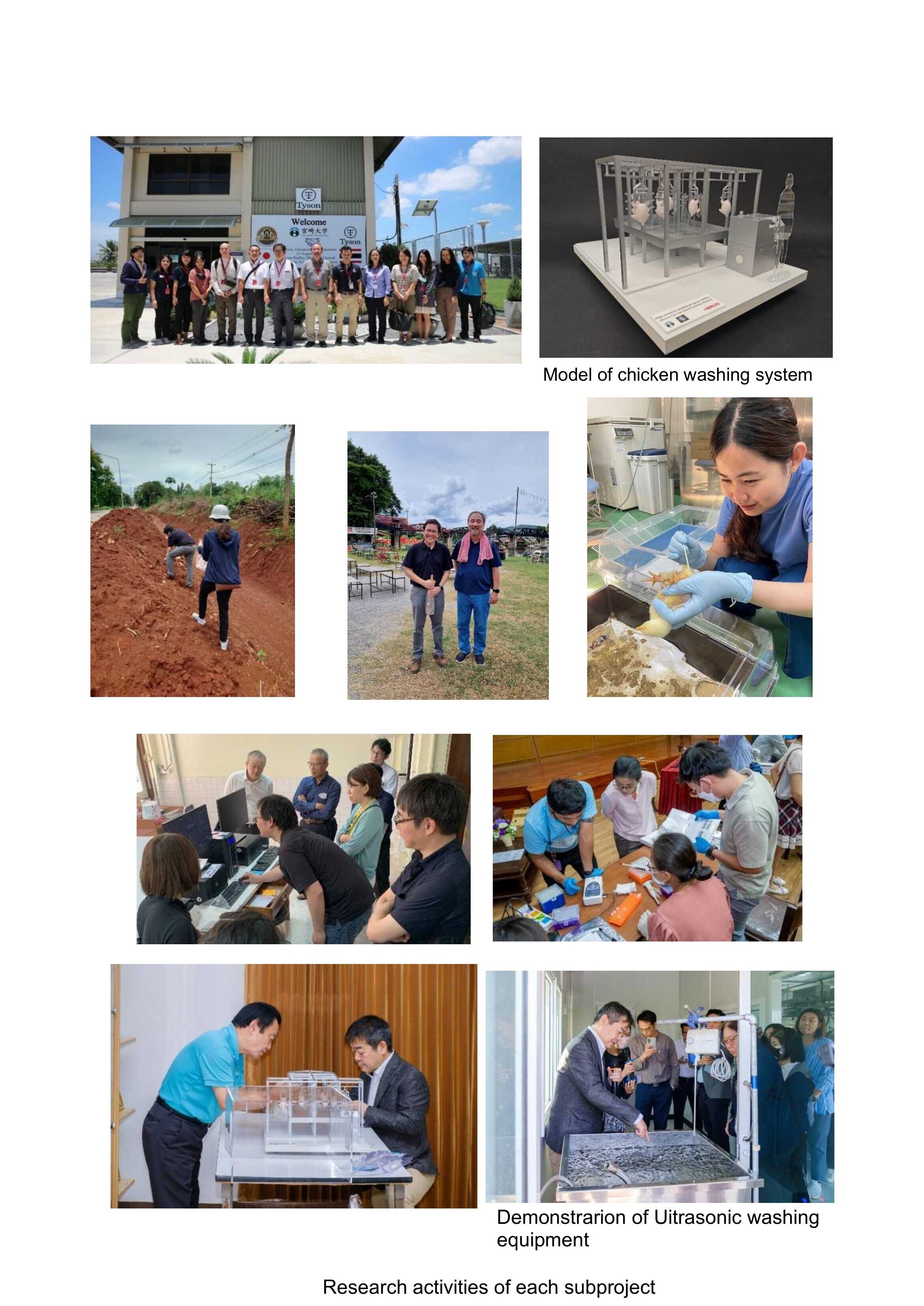
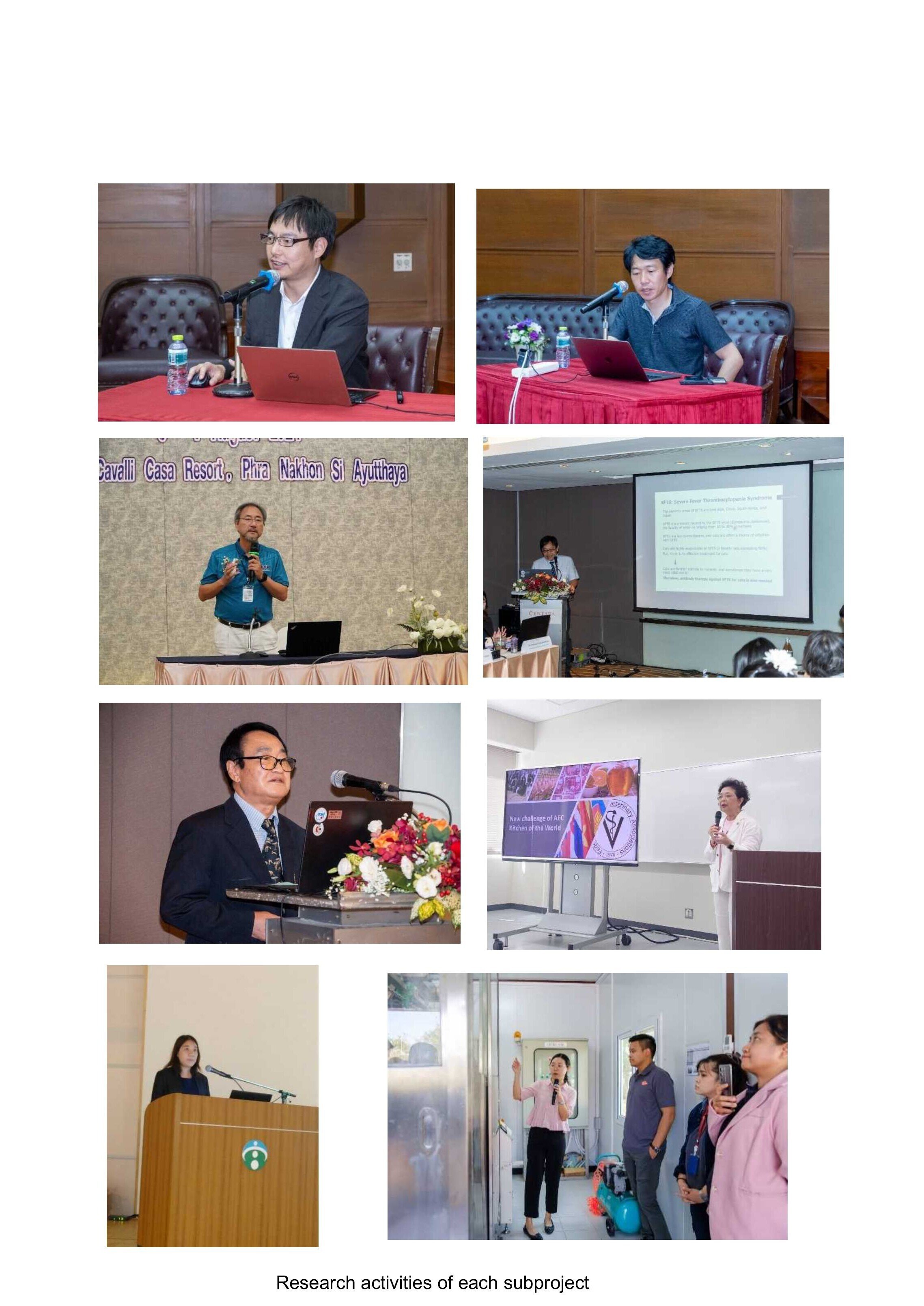
Research Activities and Capacity Building
The project focused on four main components:
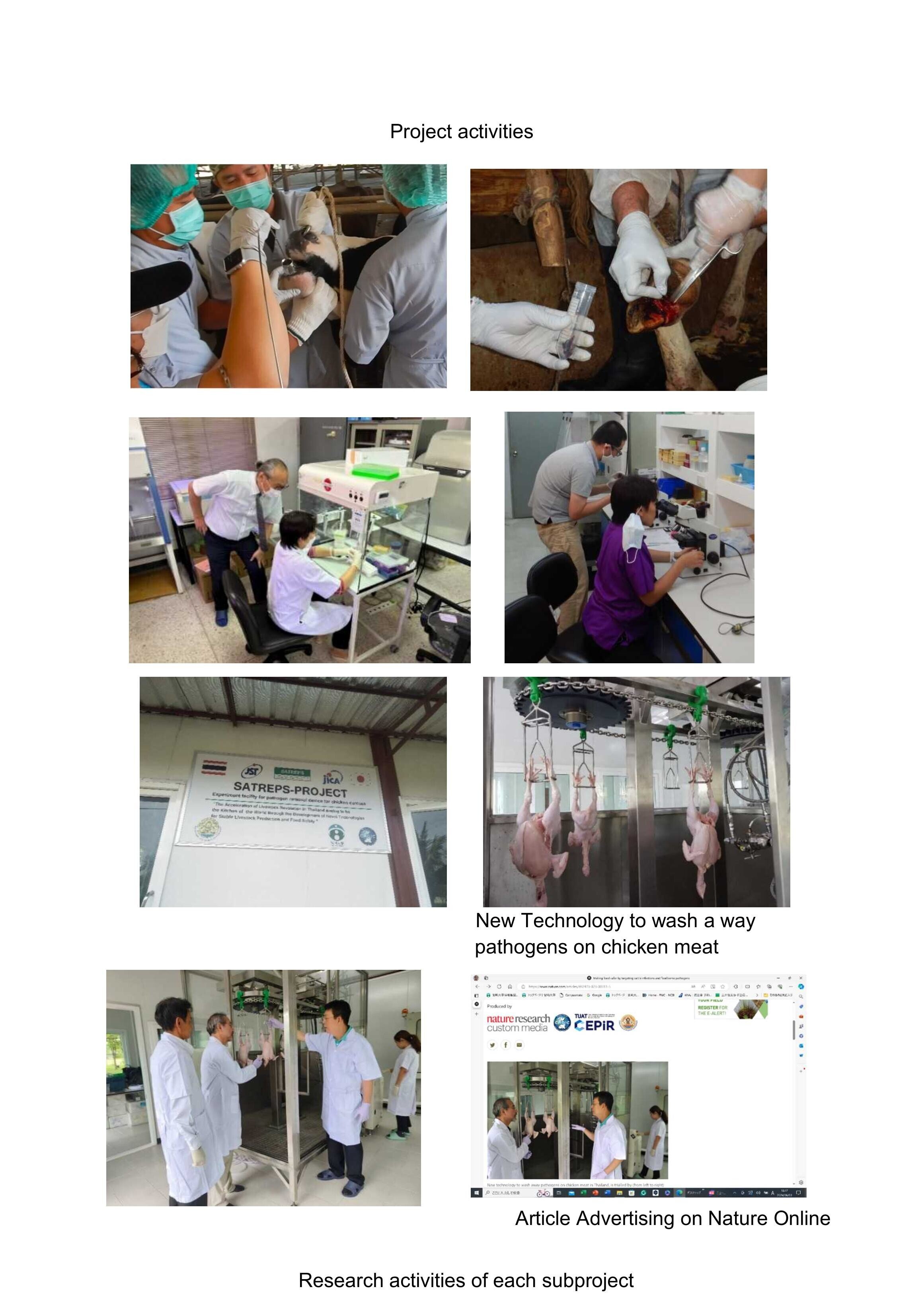
1. Development of rapid and highly sensitive on-site diagnostic methods for FMD, FMD-like vesicular diseases, and other infections affecting livestock productivity.
2. Identification of FMD risk factors through active surveillance and evaluation of the impacts of outbreaks on productivity and economic performance.
3. Development of novel technologies for microbial reduction in livestock products.
4. Human resource development through research activities, field validation studies, and training programs.
Major Achievements
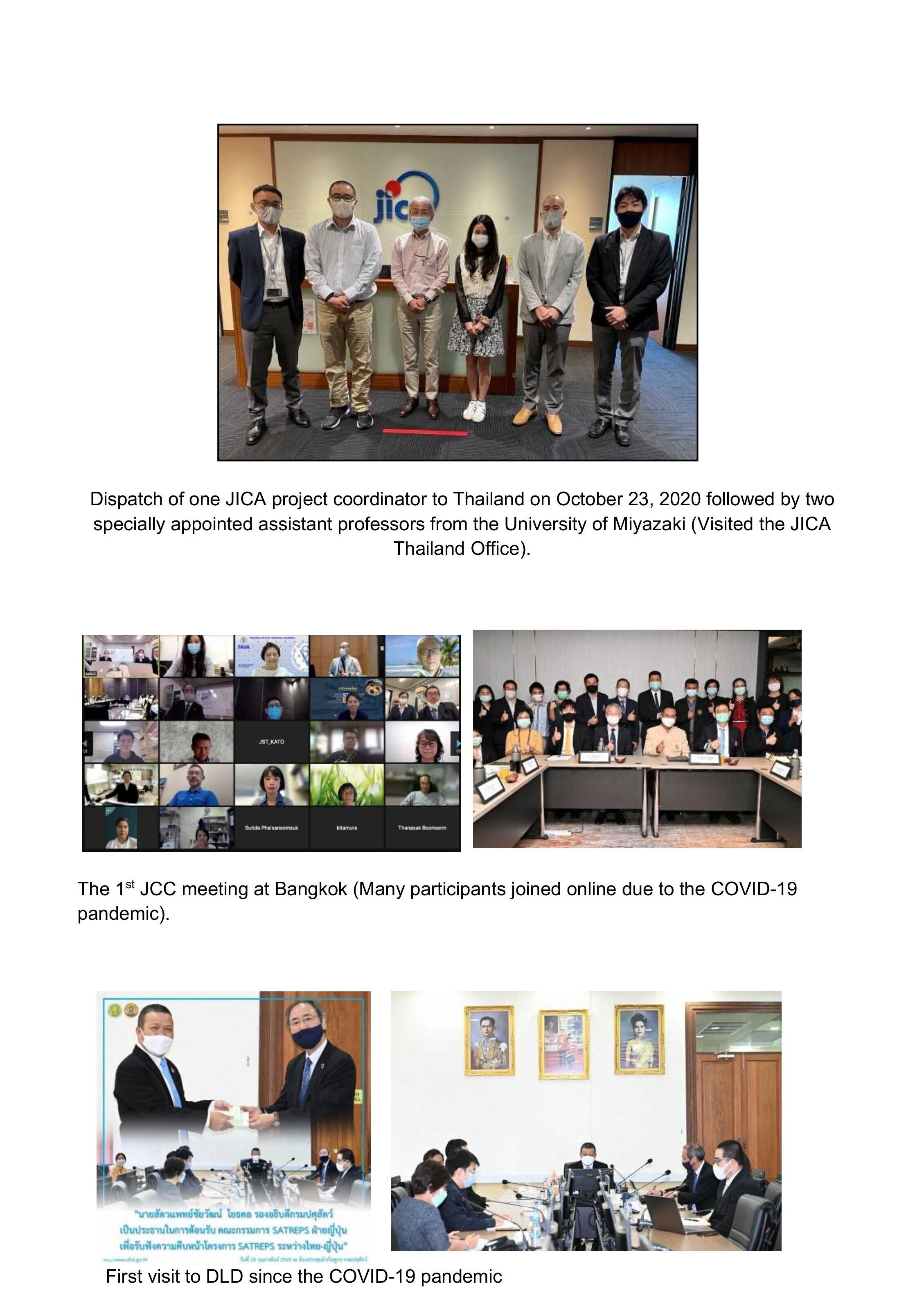
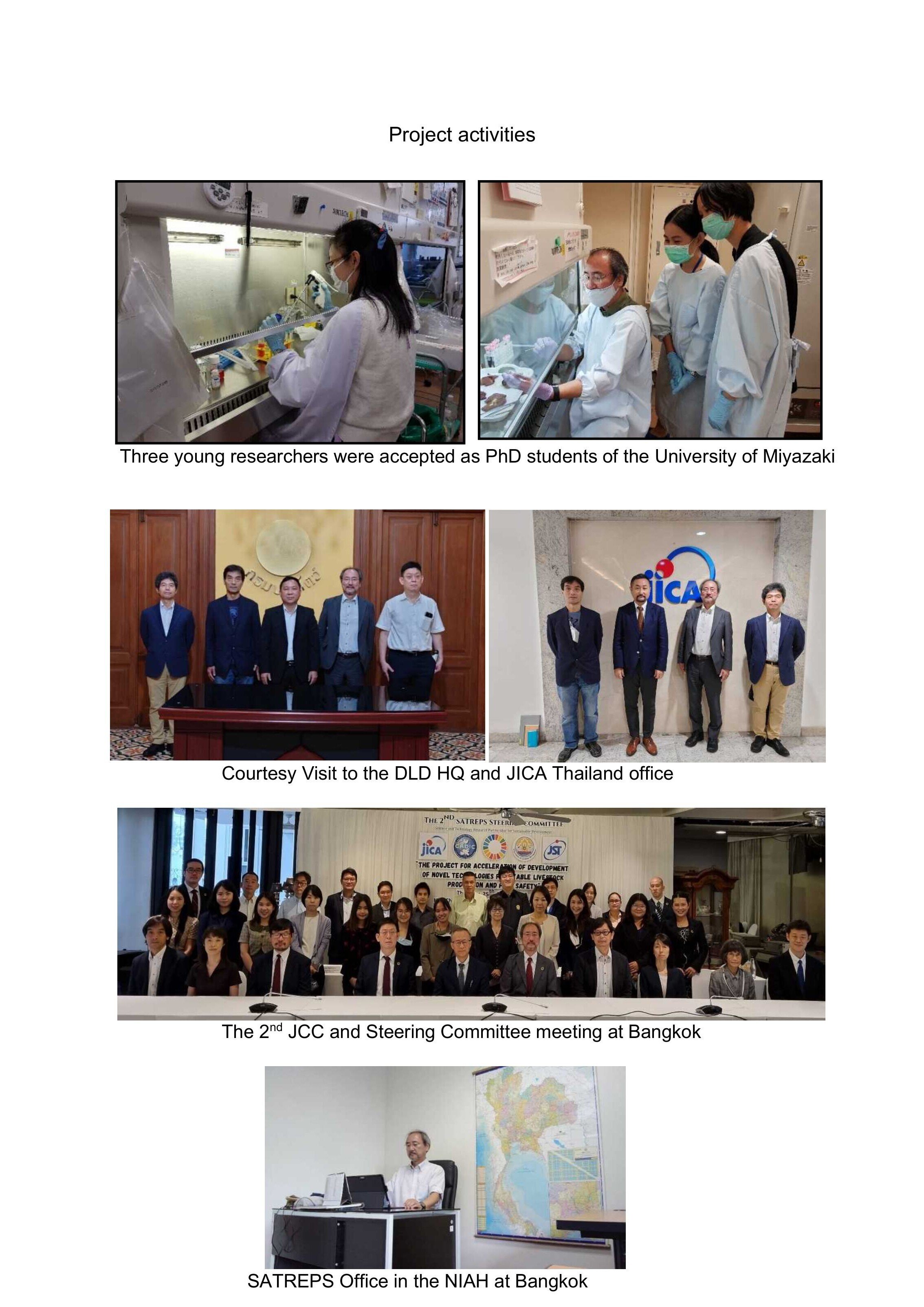
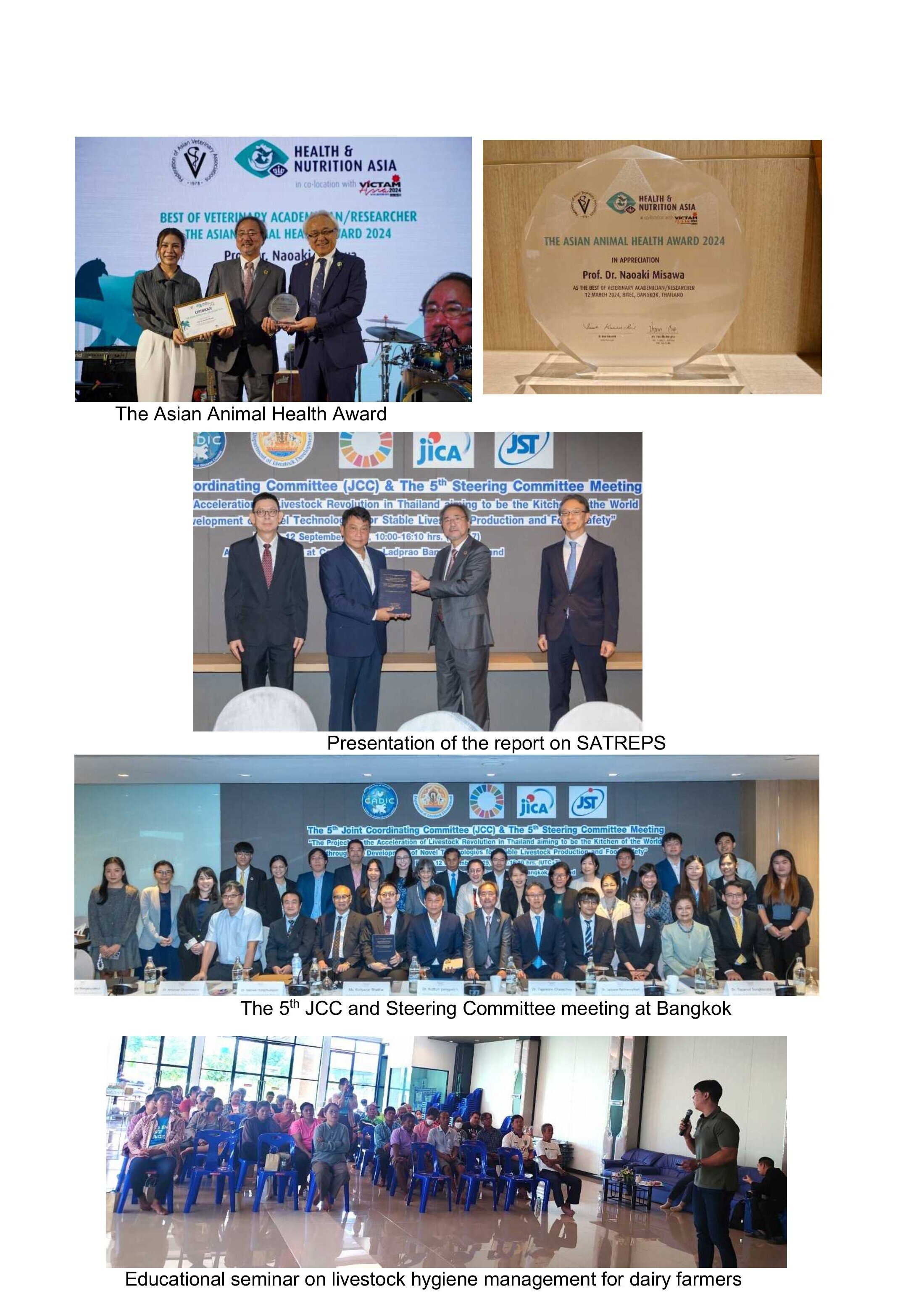
During the project period, a total of 72 Japanese researchers were dispatched to Thailand as short-term experts, while 25 Thai counterparts participated in short-term training in Japan. In addition, three Thai researchers were enrolled in doctoral programs.
Despite travel restrictions during the COVID-19 pandemic, more than 95% of the project objectives were achieved by October 2025.
A key outcome was the development of portable real-time PCR-based diagnostic technologies for FMD and ASF. These systems enable rapid on-site diagnosis at farms using portable battery power, with sensitivity comparable to international standard methods. Diagnostic results can be obtained within 20 minutes, allowing timely and effective initial disease control measures.
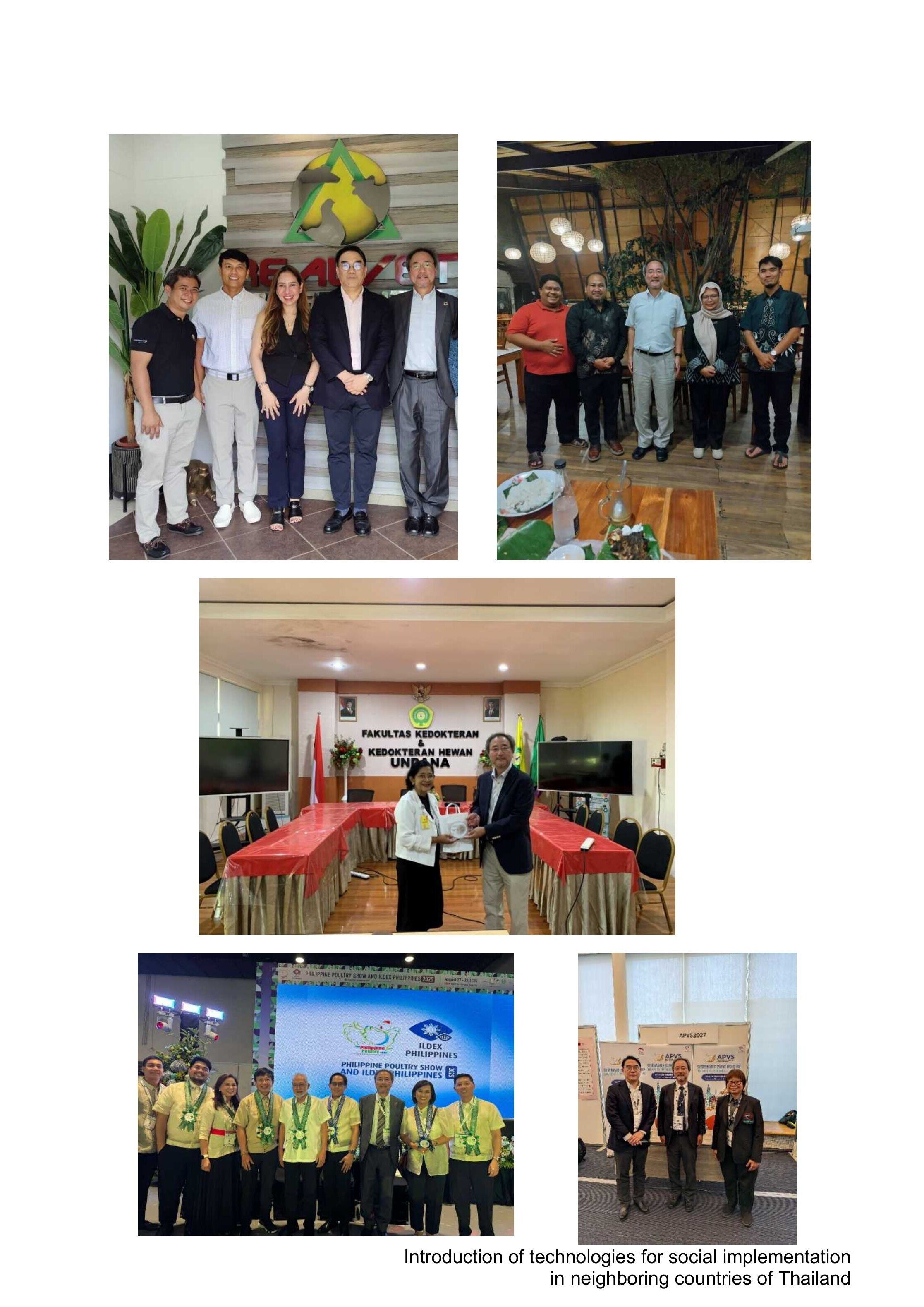
The developed technologies have attracted strong interest from international organizations, including JIRCAS and the Asian Development Bank (ADB). Efforts are ongoing to publish the research findings in international journals and to promote social implementation in Thailand and neighboring countries.
Impact and Future Perspectives
The outcomes of this five-year collaborative project have contributed to improvements in livestock production and public health in Thailand. Furthermore, the project has helped strengthen ASEAN's role as a regional livestock production base and supports broader efforts to enhance food security in the region.
Acknowledgements
We sincerely thank all partners and stakeholders for their continued support and cooperation throughout the project. We are pleased to report that the project received an "A" evaluation from JST and JICA.
Naoaki Misawa, DVM, PhD
Project Leader, Specially Appointed Professor
Center for Animal Disease Control (CADIC)
University of Miyazaki
December 17, 2025